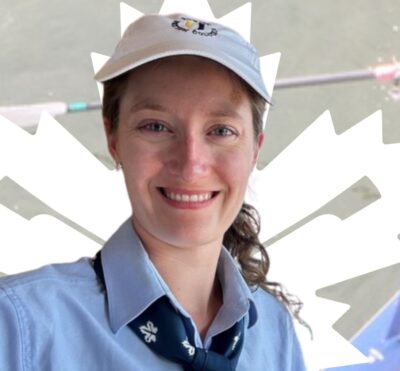
Redefining the Rules: How Pamela Peacock Is Helping Change the Face of Umpiring
- Rowing Canada Aviron
- Dec 15, 2025
In 1992, CBC’s coverage of rowing legend Silken Laumann inspired a wave of Canadians to take notice of the sport, one of them being future umpire Pamela Peacock.
Two years later, a young Pamela came home from school buzzing with excitement: her high school, Kingston Collegiate and Vocational Institute, had a rowing program. By Grade 9, she was hooked.
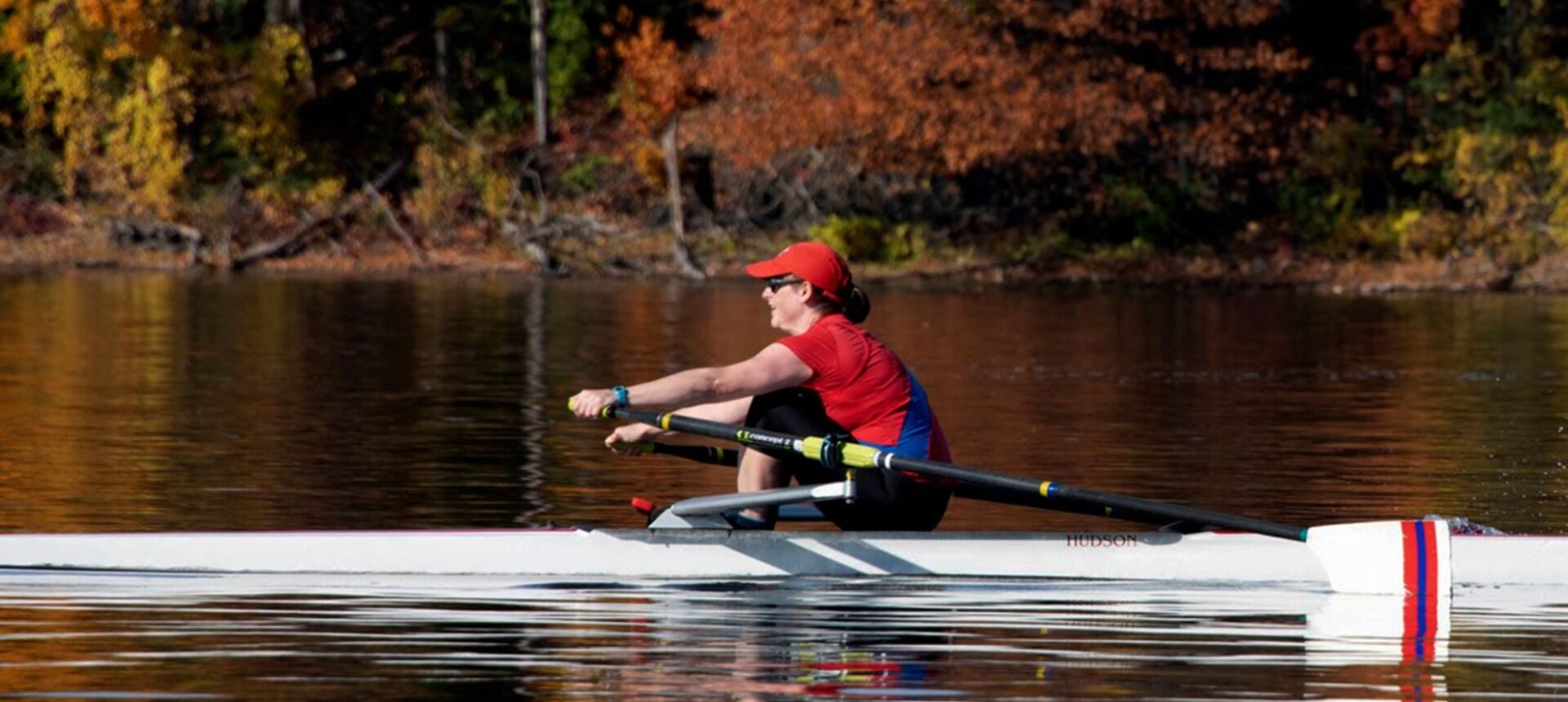
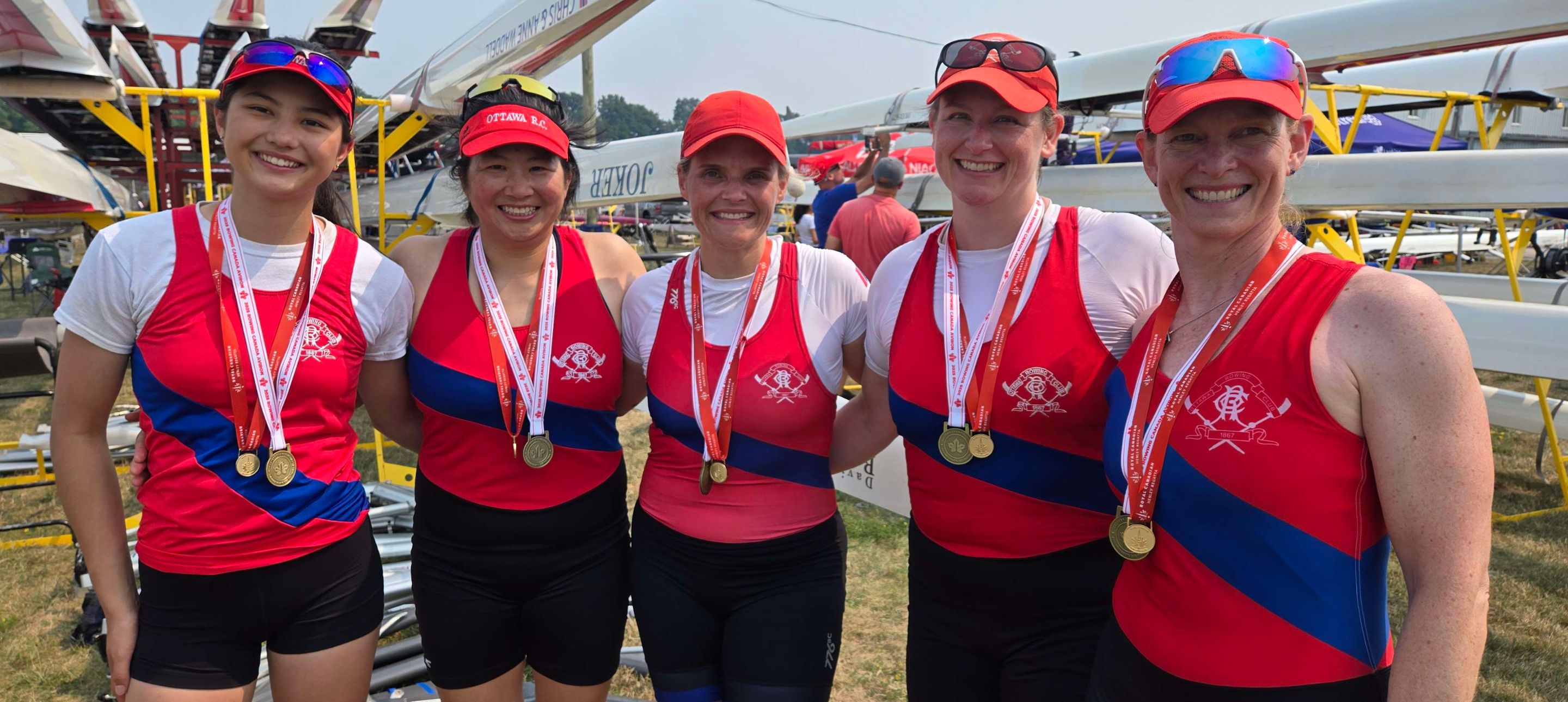
“Over 4 years of competition, both with K.C.V.I and also with the Kingston Rowing Club in the summers, I definitely thought I’d be a rower for life,” says Pamela, reflecting on her start in the sport. “Although I didn’t end up rowing in university, I did come back to the sport sporadically through summer recreational programs in Kingston. After moving to Ottawa for work in 2014, I joined the Masters program at the Ottawa Rowing Club and have been heavily involved in the sport ever since.”
Rowing wasn’t Pamela’s only passion. With a Master’s in Museum Studies from the University of Toronto and a PhD in History from Queen’s University, she’s built an impressive career in curation and museum work. Add to that her Fitness Instructor and Personal Trainer certifications, and it’s clear Pamela doesn’t do anything halfway.
When the pandemic hit, Pamela, like many others, found herself looking for new ways to stay connected and keep learning. She discovered an online umpiring course and decided to dive in, using it as a way to give back to the rowing community. Starting with informal races at the Ottawa Rowing Club, she quickly found her stride.
“The mentors assigned to me, Mel Bryce and Marie-Sophie Desaulniers, were super sources of information and experience, and continue to help foster a sense of community among area umpires.”
For Pamela, the thrill of umpiring comes from being part of the action, just from a different vantage point. “I enjoy being able to create a positive racing environment for athletes, whether by keeping things moving in an organized way at the control commission, or staying calm and on time at the start.”
From beach sprints to regattas across eastern Ontario, Pamela has already accomplished a lot, sometimes even umpiring and racing at the same event. Her dedication to the sport is matched only by her enthusiasm for helping others see that umpiring isn’t just for a certain age or stage of life.
She’s quick to dispel the myth that umpiring is only for retirees. If you’re old enough to be licensed, she says, you’re old enough to start. It takes a couple of seasons to move from Assistant to Associate umpire, and it’s important to build the experience before taking the licensing exam, so even younger rowers can begin the pathway early.
Pamela also encourages anyone curious about officiating to get involved in any way they can. Volunteering at regattas, she says, is a great way to get a feel for the environment and support the sport. “My umpire back thanks all the volunteers checking heel ties and quick-release shoes at control commission in advance!” She jokes.
And for those waiting for the “right time” to start? Pamela’s advice is simple: don’t wait. “The pathway to becoming an umpire is increasingly accessible, so sign up for the online (or in-person) session. At the least, you’ll gain information about the rules and procedures that underpin racing, which can benefit you as an athlete, coach, or spectator! There is no required time commitment, so even if you only manage to umpire at one event in a season (and folks, I’m only clocking in at 2 myself this year), you are still playing a critical role in the sport.”
From her first strokes on Lake Ontario to her steady hand at the start line, Pamela Peacock’s story is proof that there’s more than one way to stay in the boat, even when you’re not rowing it.